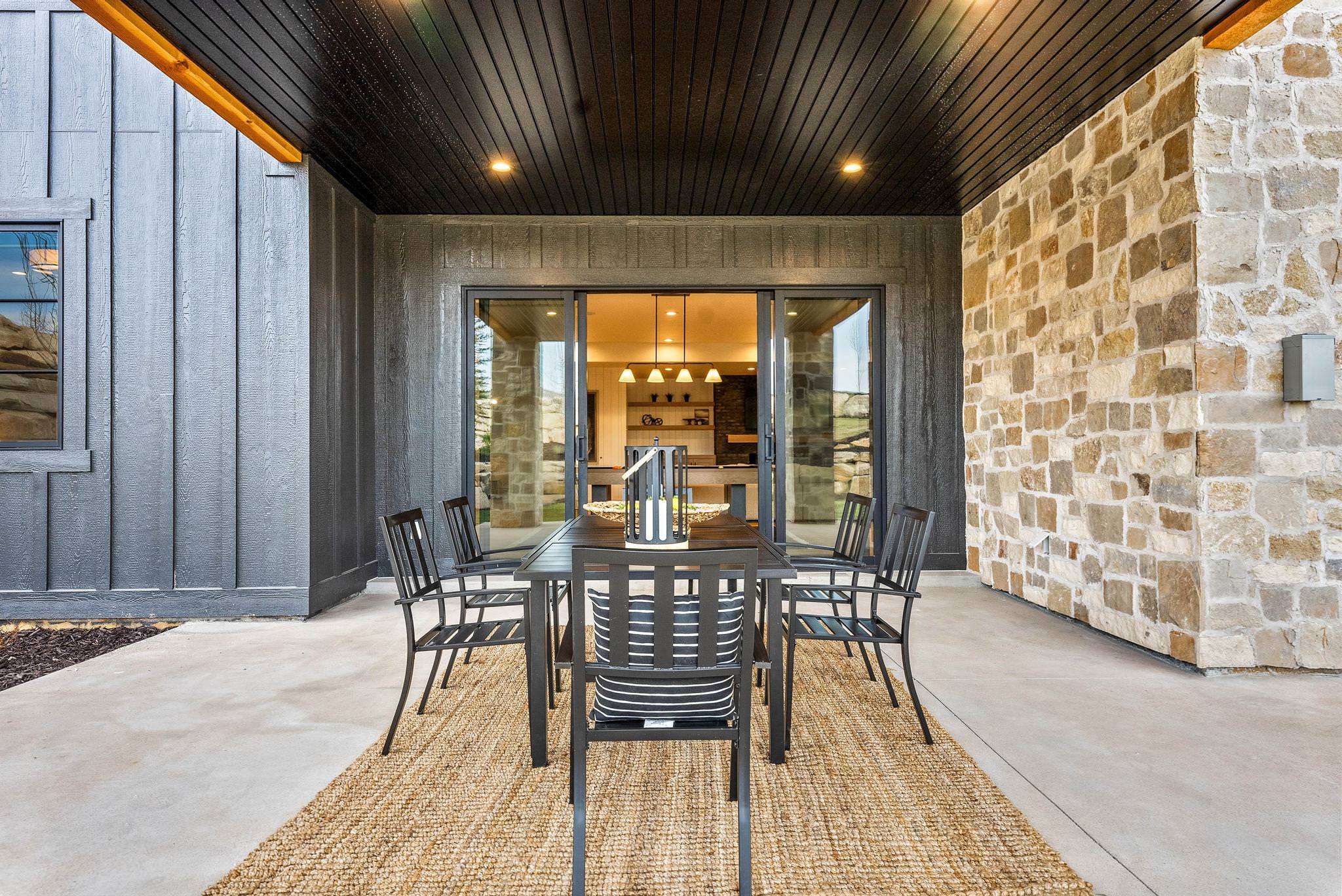



Choosing the right front doors for harsh winter conditions in Utah can be a game-changer for your home’s comfort, energy efficiency, and curb appeal. Winter temperatures can dip dramatically, making insulation and durability vital features in your front door selection. In this guide, you’ll learn essential factors to consider, including materials, insulation properties, and design elements that can withstand Utah’s cold winds and snow. Whether you’re building a new home or upgrading your existing entryway, this article will provide expert insights to help you make the best choice.
Key Takeaways
- Focus on materials with high insulation values and weather resistance to protect against Utah’s cold winters.
- Choose front doors with proper seals and energy-efficient glass options to minimize drafts and heat loss.
- Consider durability and maintenance requirements to ensure long-term performance in snowy and icy conditions.
Answer in Brief
When selecting front doors for winter conditions in Utah, prioritize materials such as fiberglass or steel that offer excellent insulation and resistance to moisture. Look for doors with energy-efficient glass and weatherstripping to prevent cold air infiltration. Additionally, consider the door’s durability and maintenance demands to ensure it withstands snow, ice, and freezing temperatures year after year.
Pros and Cons of Popular Front Door Materials for Winter
Choosing the right material for your winter front door is crucial. Here’s a comparison of the common choices:
- Fiberglass Doors
Pros: Superior insulation, resistant to moisture, durable against cracking or warping, low maintenance.
Cons: Typically more expensive upfront, limited natural wood grain appearance without special finishes.
- Steel Doors
Pros: Excellent strength, great insulation when insulated cores are included, budget-friendly, resistant to warping.
Cons: Can dent or scratch easily, potential for rust if finish is damaged, heavier to install.
- Wood Doors
Pros: Classic aesthetic with natural beauty, customizable designs, easily repaired.
Cons: Poor insulation compared to fiberglass and steel, vulnerable to warping, cracking, and moisture damage without regular sealing.
- Vinyl Doors
Pros: Affordable, decent insulation, weather-resistant, low maintenance.
Cons: Less durable than fiberglass and steel, can fade or crack in extreme weather, limited design options.
Ultimately, fiberglass and steel doors tend to perform best in Utah’s winter climate, combining insulation, durability, and energy efficiency to keep your home warm and protected.
10 Interesting Facts About Front Doors and Winter Performance
- Energy-Efficient Doors Save Money: A high-quality insulated front door can reduce your energy bills by up to 15% during winter months.
- Weatherstripping Matters: Properly sealed doors prevent cold drafts, reducing heat loss significantly.
- Double or Triple Pane Glass: Doors with insulated glass panels help block heat transfer better than single pane designs.
- Fiberglass Mimics Wood: Today’s fiberglass doors can closely resemble real wood without the maintenance drawbacks.
- Steel Doors Are Tough: Steel doors can withstand extreme cold without cracking and are highly resistant to physical damage.
- Thermal Break Technology: Some steel doors include thermal breaks—insulating layers inside—to prevent cold bridging.
- Raised Thresholds Prevent Drafts: Many winter-ready doors feature raised sill plates that form tighter seals against the floor to keep cold air out.
- Snow and Ice Resistance: Fiberglass and steel doors do not absorb moisture, so they’re less likely to warp or rot under snowy conditions.
- Proper Installation is Critical: Even the best door won’t perform well if installed poorly without attention to sealing gaps.
- Customization Options: You can add storm doors to enhance insulation and add an extra barrier against icy winds common in Utah.
Frequently Asked Questions (FAQs)
Q1: What’s the best material for front doors in Utah’s winter climate? A1: Fiberglass and steel doors are the best options as they offer excellent insulation, durability, and resistance to moisture and temperature fluctuations typical in Utah winters. Q2: Does adding glass panels affect door insulation? A2: Yes, glass panels can affect insulation, but using double or triple-pane insulated glass minimizes heat loss without sacrificing style or natural light. Q3: How important is proper door installation? A3: Proper installation is critical. Even the highest-quality door must be installed with precision, including adequate weatherstripping and sill seals to prevent drafts and water intrusion. Q4: Can a storm door help in winter? A4: Absolutely. A storm door creates an additional air cushion and barrier, reducing heat loss and protecting the main door from harsh weather damage. Q5: How often should I maintain or replace my front door in Utah’s winter conditions? A5: Maintenance depends on door material. Fiberglass and steel doors require minimal upkeep and can last decades. Wood doors need regular sealing to prevent damage. Inspect your door yearly and replace if you notice drafts, warping, or structural damage.
Cities We Serve in Utah
Epic Windows + Doors proudly serves homeowners throughout Utah, including but not limited to:
- Salt Lake City
- Provo
- Ogden
- Park City
- Sandy
- Orem
- Layton
- St. George
- Logan
- Tooele
Your Trusted Partner: Epic Windows + Doors
At Epic Windows + Doors, we understand the unique challenges that Utah winters bring to your home’s front entry. Our expert team specializes in helping you choose and install front doors that combine beauty, energy efficiency, and durability to stand strong against cold winds and snow. Ready to upgrade your home’s insulation and appearance this season? Contact Epic Windows + Doors today and experience the difference quality and expertise can make!