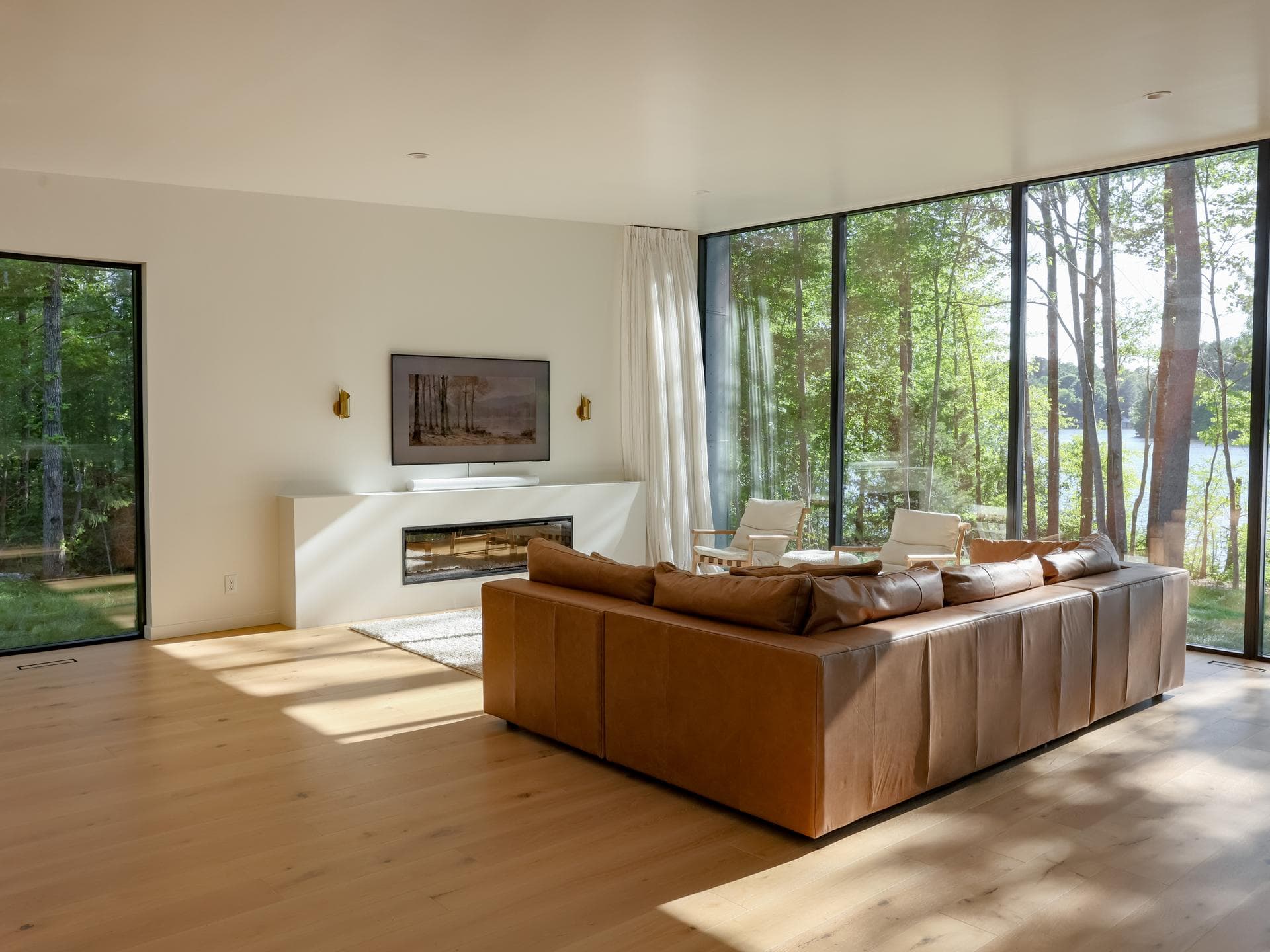
Premium Windows & Doors
Installed Right. Priced Right.
Serving Utah homeowners since 1989 with energy-efficient windows and doors, expert installation, and guaranteed lowest rates.
Why Choose Us
The EPIC Difference
Five-Star Reviews
Real homeowners across the Wasatch Front, not padded, not fake.
Years Serving Utah
A decade and a half of trust built one installation at a time.
Energy Savings
Energy-certified windows engineered for Utah's brutal winters and summers.
Rated in Utah
Consistently top-ranked for quality, value, and customer experience.
Satisfaction Rate
We don't leave until you love it. If something's off, we come back.
Top Brands Stocked
Milgard, Andersen, Pella, Simonton, PlyGem and more, one stop.
Authorized Dealer of Utah's Top Brands












What We Offer
Two Divisions. One Standard.
We partner with builders and contractors across Utah to spec, supply, and install premium windows and doors in new residential and commercial construction.
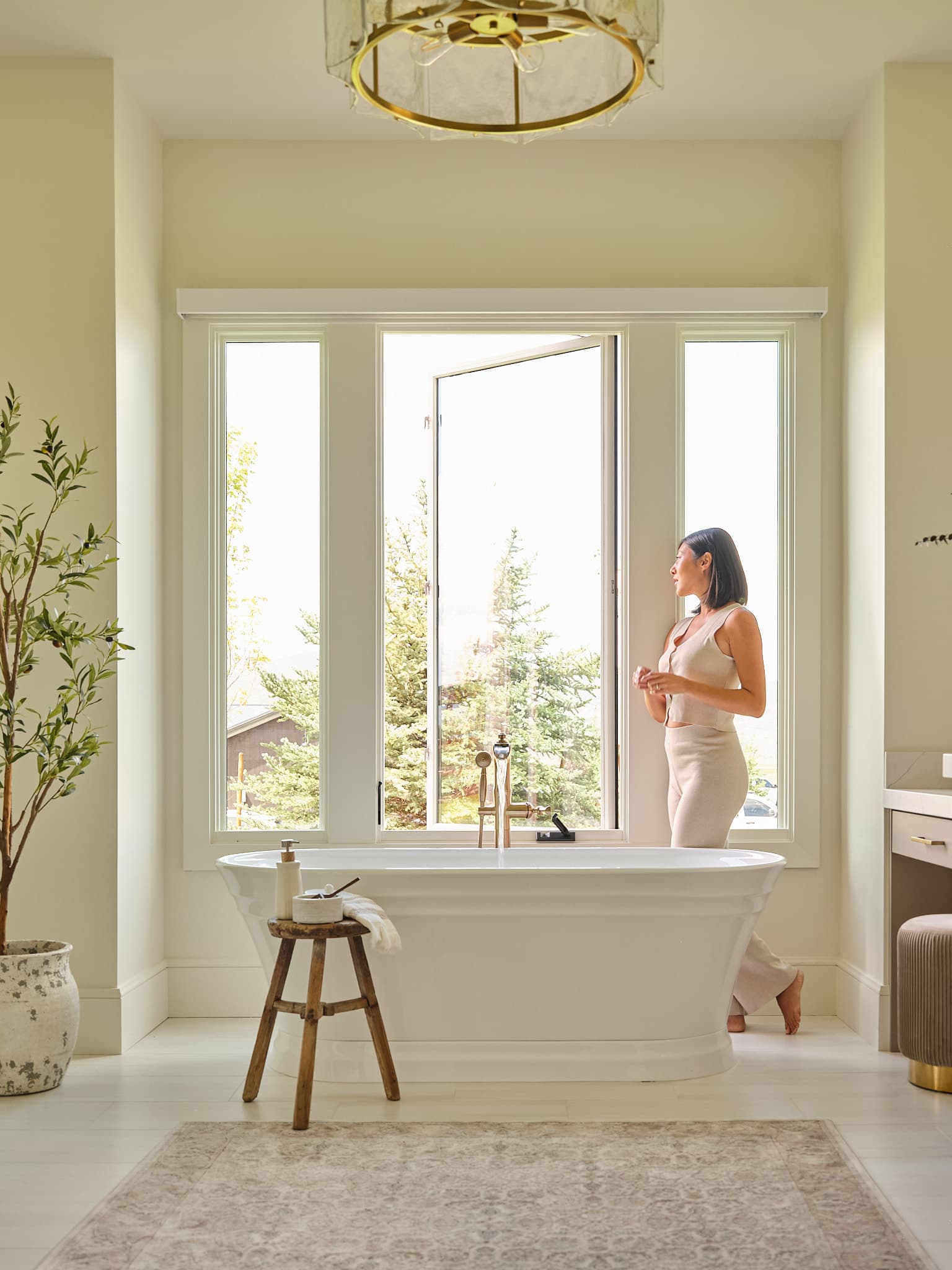
Energy-efficient. Custom-fit.
Windows
Double-hung, casement, sliding, bay & bow, every style, every size. Energy Star certified for Utah's extreme seasonal range.
- Double & Triple Pane
- Energy Star Certified
- UV Protection
- Custom Sizes
- All Major Brands
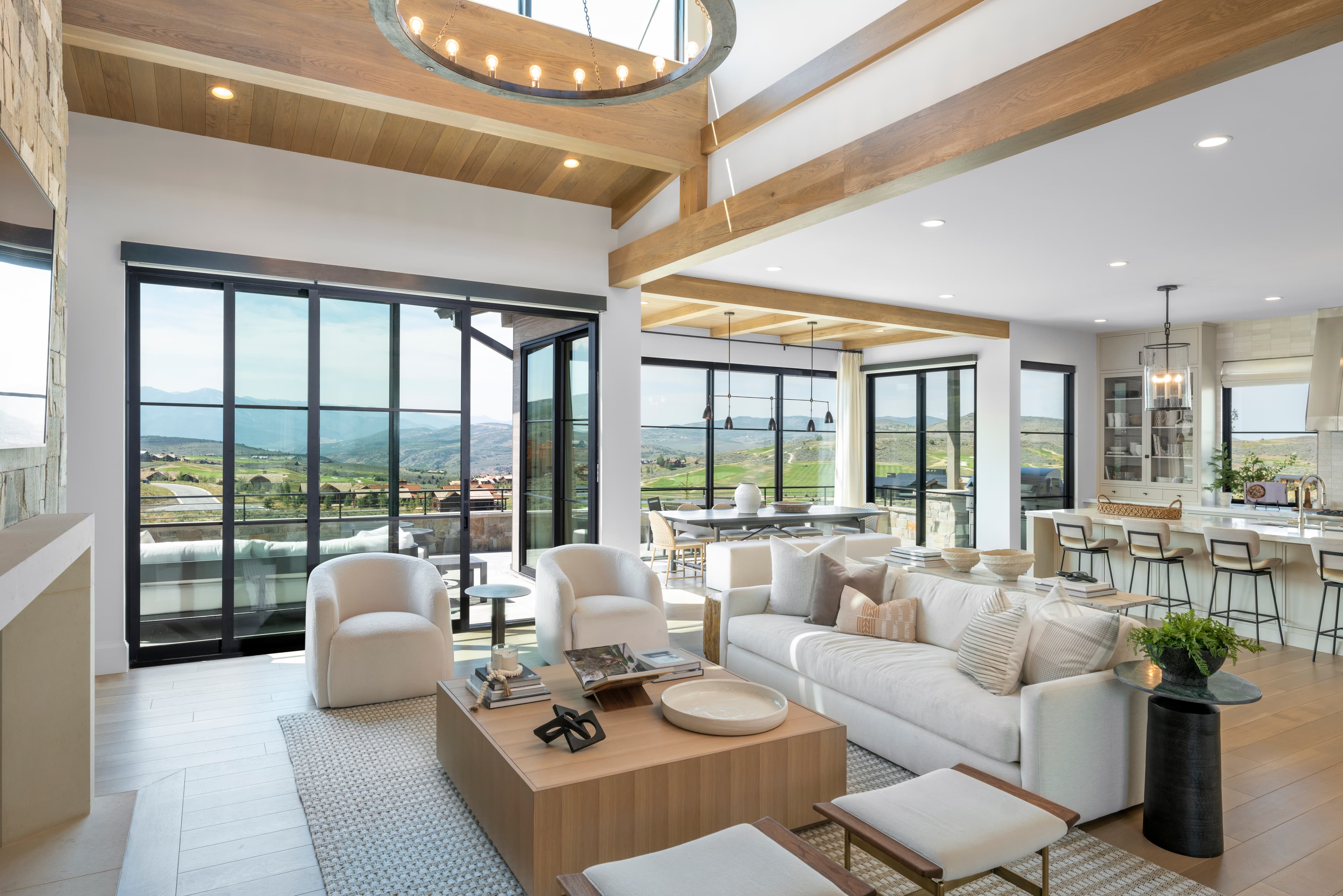
Make a statement. Make an entrance.
Entry & Patio Doors
Fiberglass, steel, sliding, French, and bi-fold doors. Smart lock ready, fully weather-sealed, custom finishes.
- Fiberglass & Steel
- Sliding & French
- Smart Lock Ready
- Multi-Point Locking
- Custom Finishes
How It Works
Simple. Seamless. EPIC.
Step 01
Free Consultation
Our expert visits your home, measures every space, walks through every option, and answers every question, zero pressure, zero obligation.
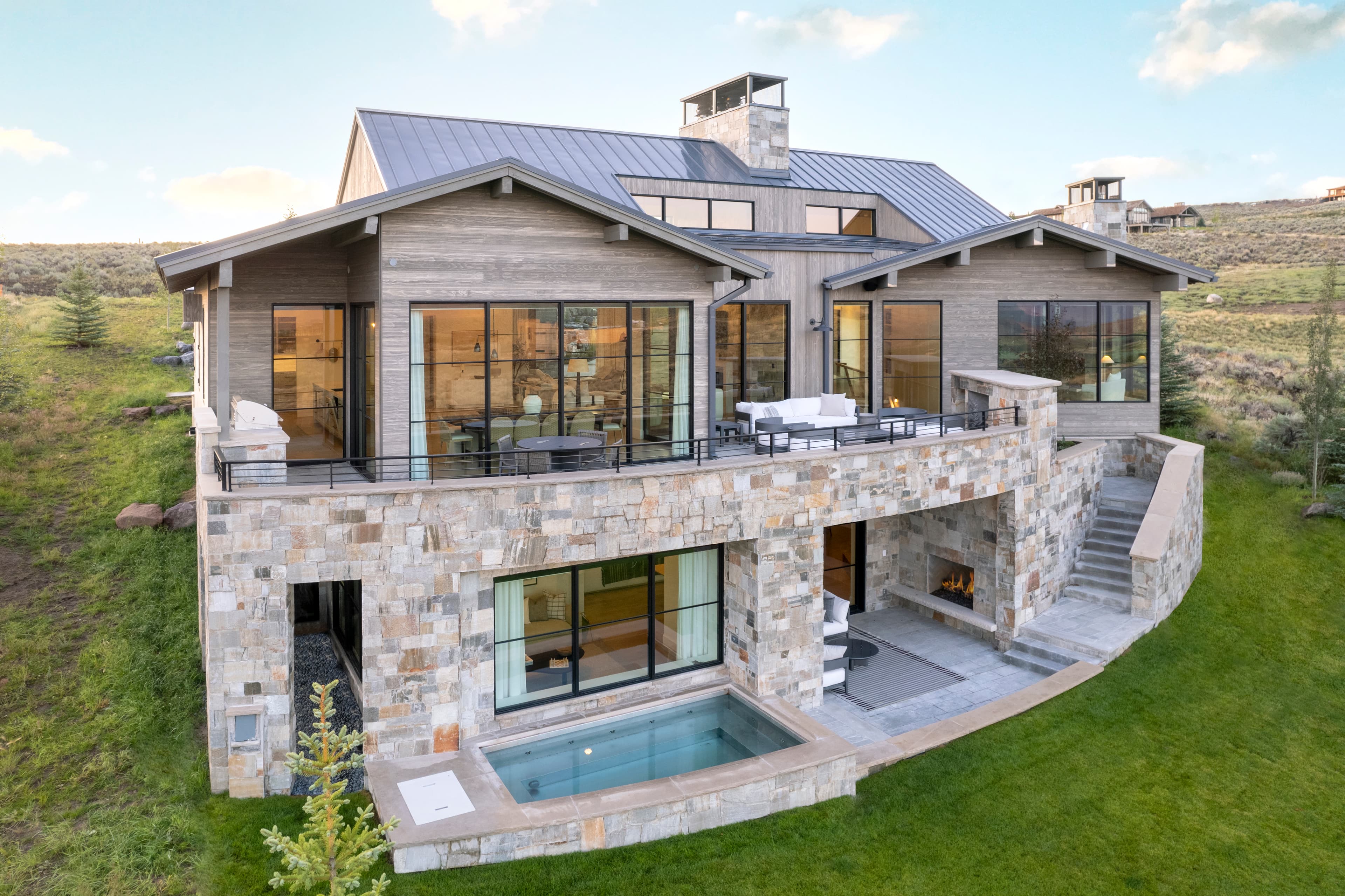
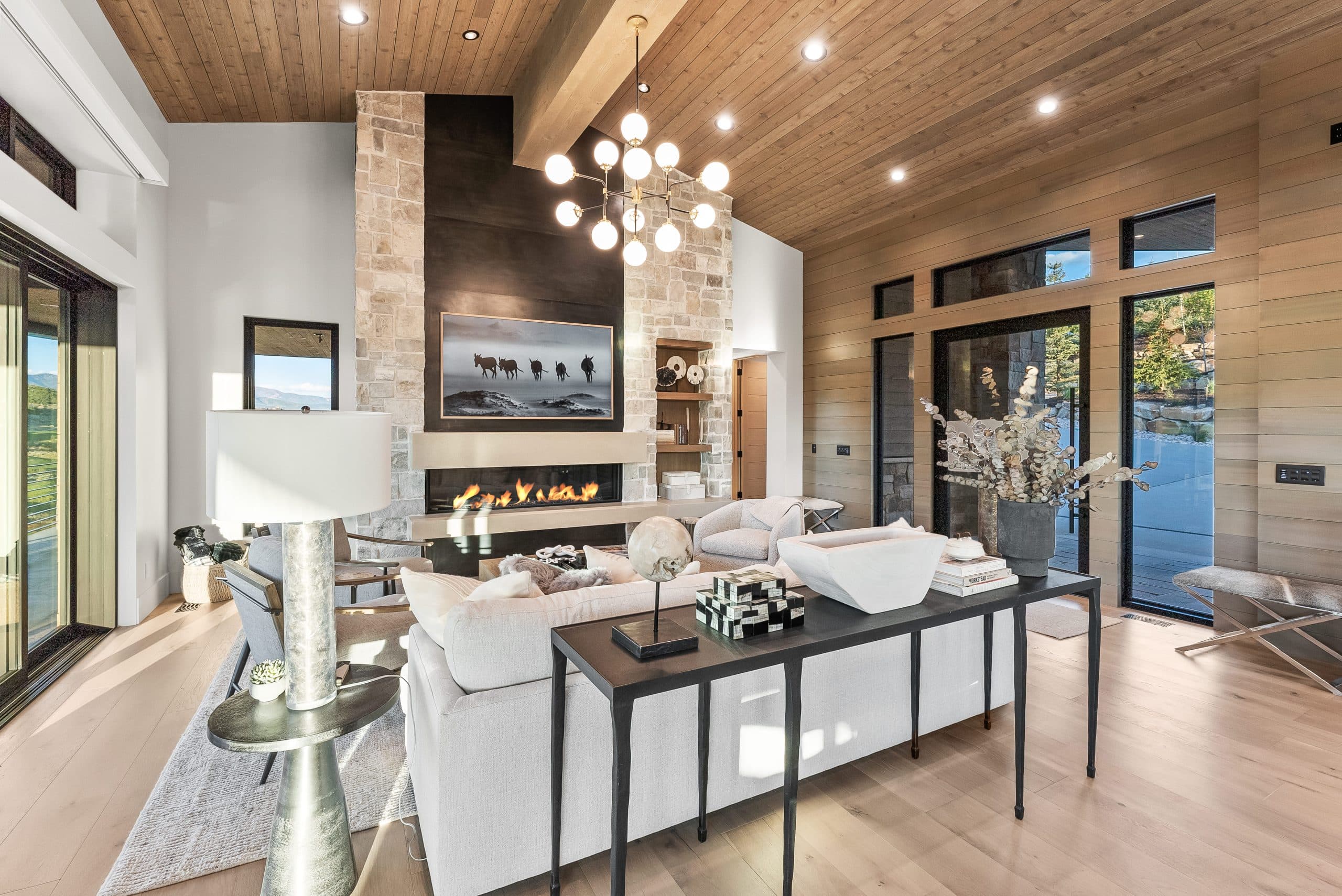

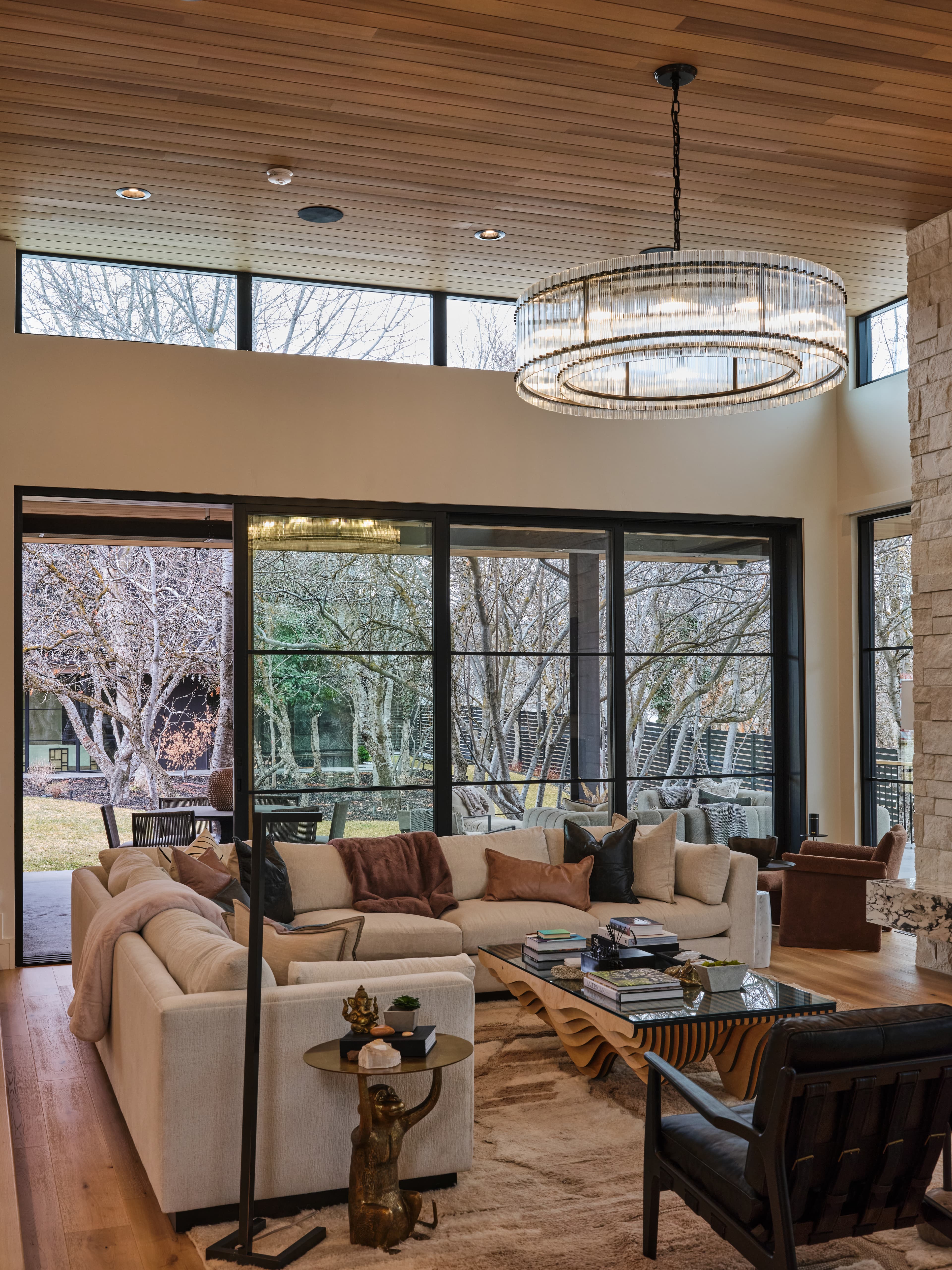
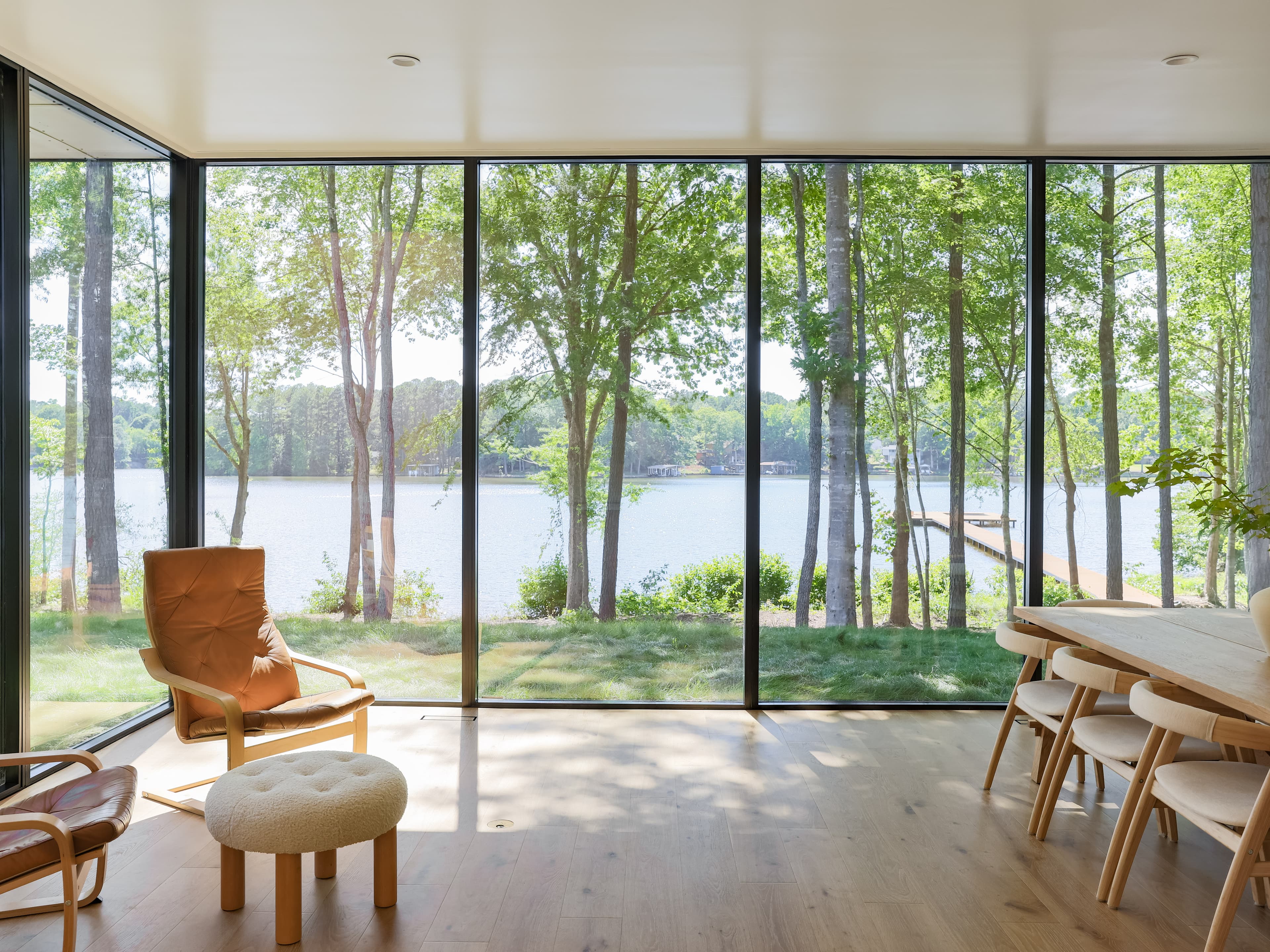
Portfolio
Real Homes.
Real Results.
Customer Reviews
What Utah Homeowners Say
224+ verified reviews

Melanie Bretts
6 months ago

Samuel White (SammYyYyY)
a month ago

Sean Taylor
2 months ago
Sarah M.
2 months ago
Michelle H.
5 months ago
Corey S.
3 months ago
Karen L.
6 months ago
Ryan T.
4 months ago
Mark D.
1 year ago
Jennifer R.
3 months ago
David P.
7 months ago
Tiffany B.
2 months ago
James K.
5 months ago
Amanda W.
4 months ago
Chris N.
8 months ago
Melanie Bretts
6 months ago
Samuel White (SammYyYyY)
a month ago
Sean Taylor
2 months ago
Sarah M.
2 months ago
Michelle H.
5 months ago
Corey S.
3 months ago
Karen L.
6 months ago
Ryan T.
4 months ago
Mark D.
1 year ago
Jennifer R.
3 months ago
David P.
7 months ago
Tiffany B.
2 months ago
James K.
5 months ago
Amanda W.
4 months ago
Chris N.
8 months ago
Also reviewed on
Product Explorer
Every Type. Every Style.
Find Yours.
Tap any style to see what it is, where it works best, and whether it's right for your home.
Tap a style to explore ↓
#1
Best-seller in Utah
Double-Hung
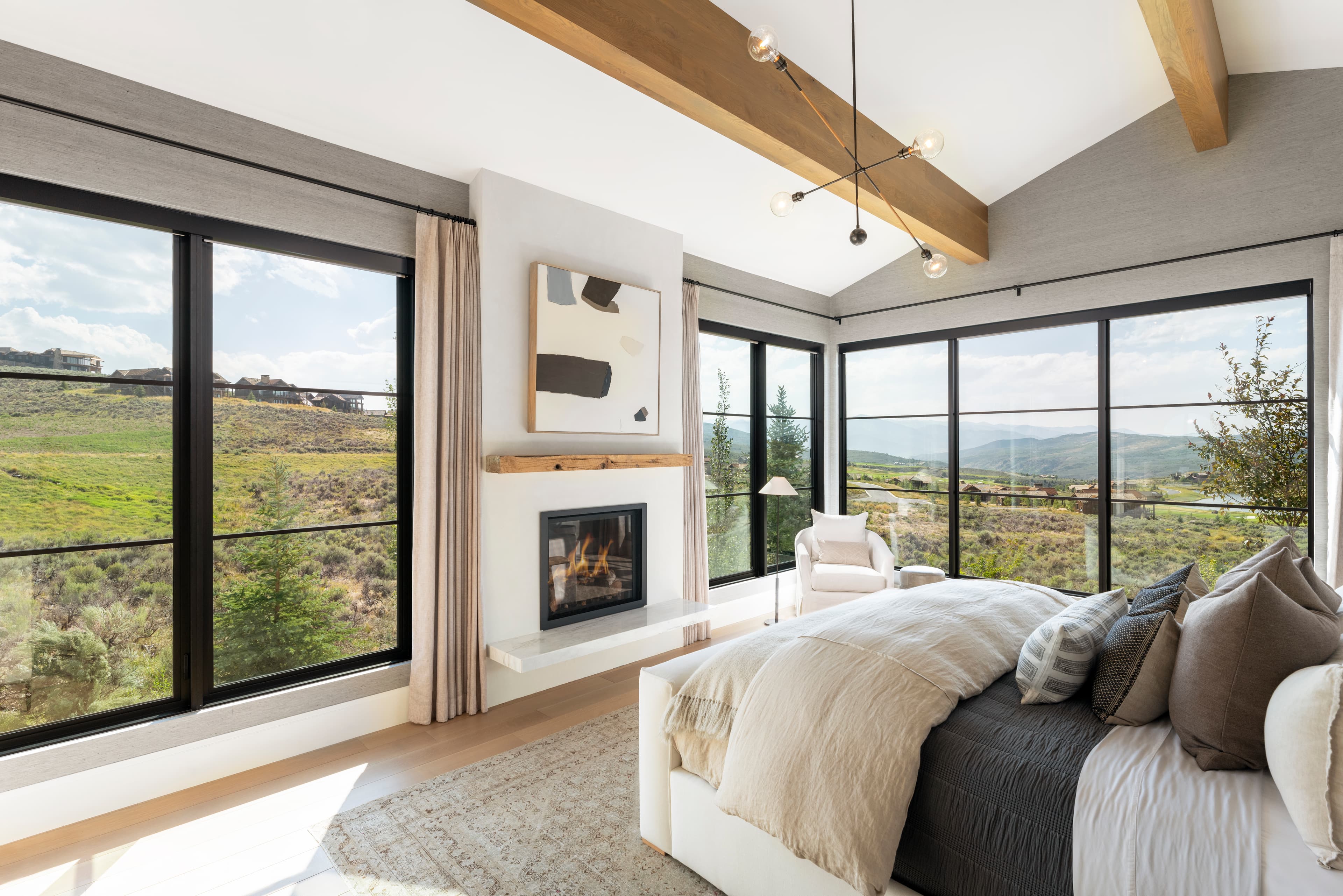
Most PopularBoth sashes slide up and down independently, allowing ventilation from top or bottom. The most versatile and familiar window style.
Best For
Pros
- ✓Easy to clean, both sashes tilt in
- ✓Great airflow control
- ✓Fits any home style
- ✓Most affordable option
Cons
- –Slight air seal gap vs. casement
- –Less open area than casement
Installed in 500+ Utah homes · Licensed & insured crews
Not sure what you need? Our consultants will recommend the perfect fit, free, no pressure.
From the Blog
Insights & Ideas. One Standard.
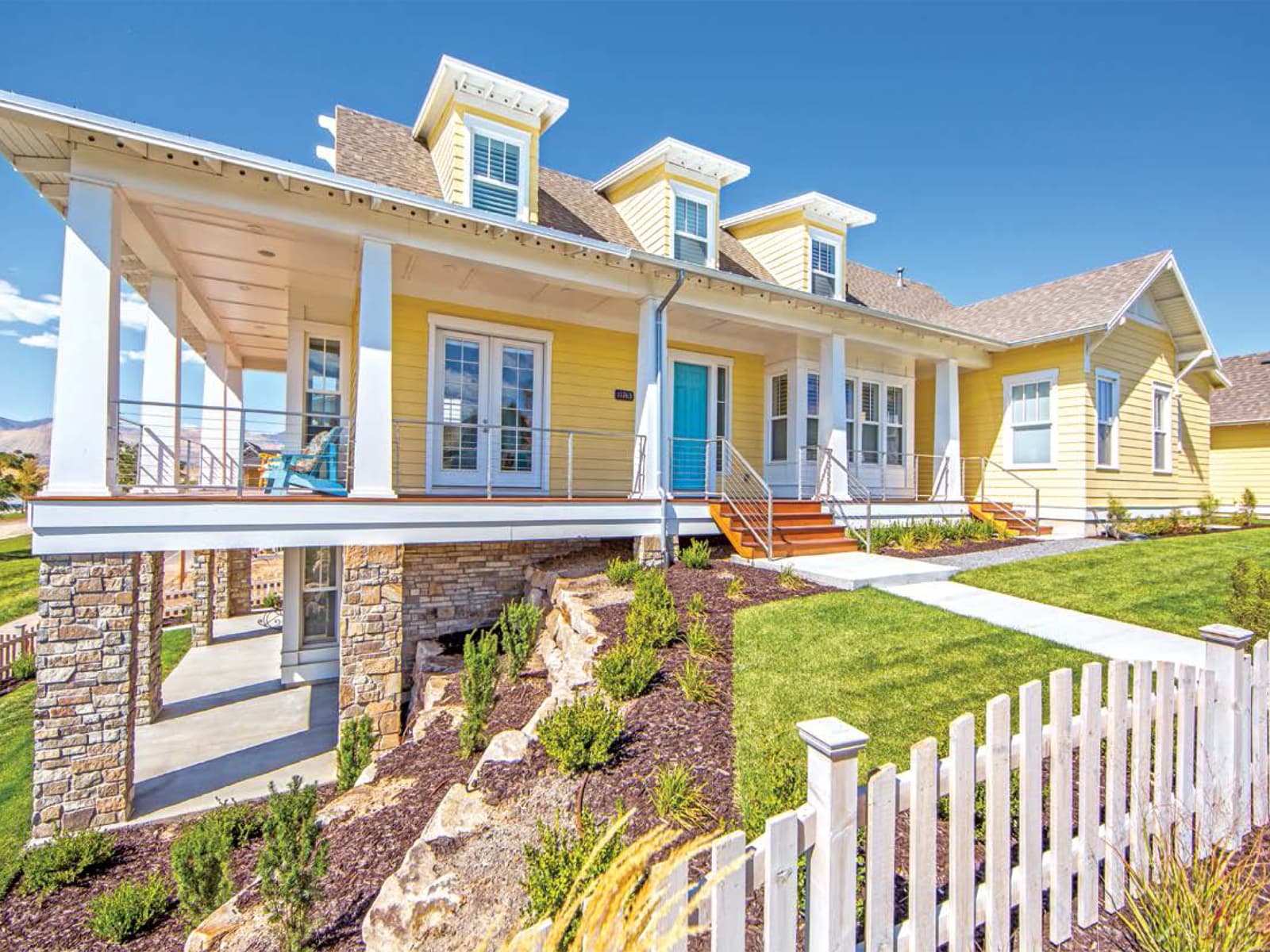
WindowsEnergy-Efficient Windows: The Complete Guide (2026)
What actually makes a window energy efficient, the ratings that matter (U-factor, SHGC, ENERGY STAR), how much you can save, and how to choose the right windows for your climate.
 Windows
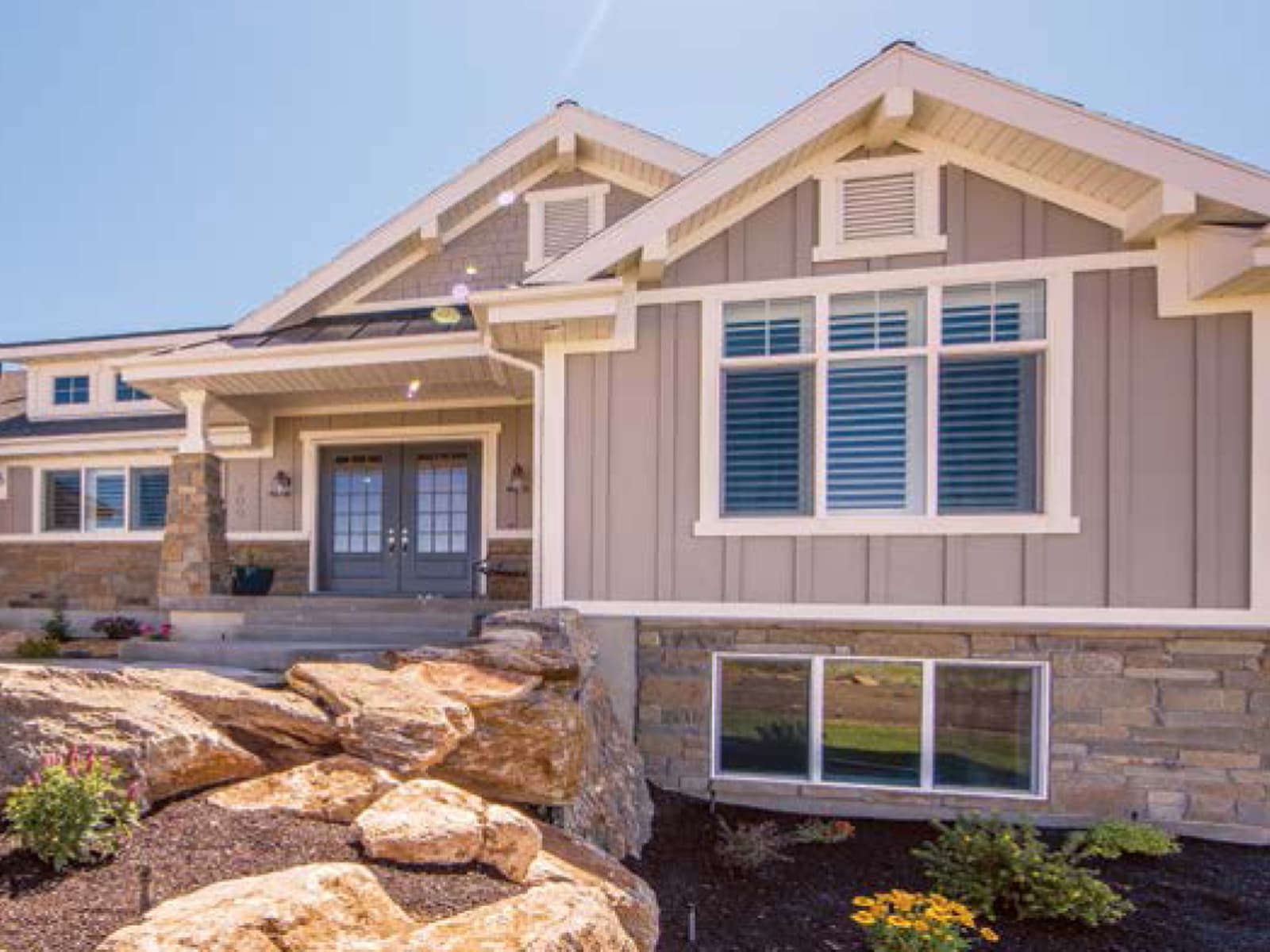
How Much Does Window Replacement Cost? (2026 Guide)
A clear breakdown of window replacement cost, per-window and whole-home price ranges, what drives the price up or down, and how to get the most value for your budget.
 Windows
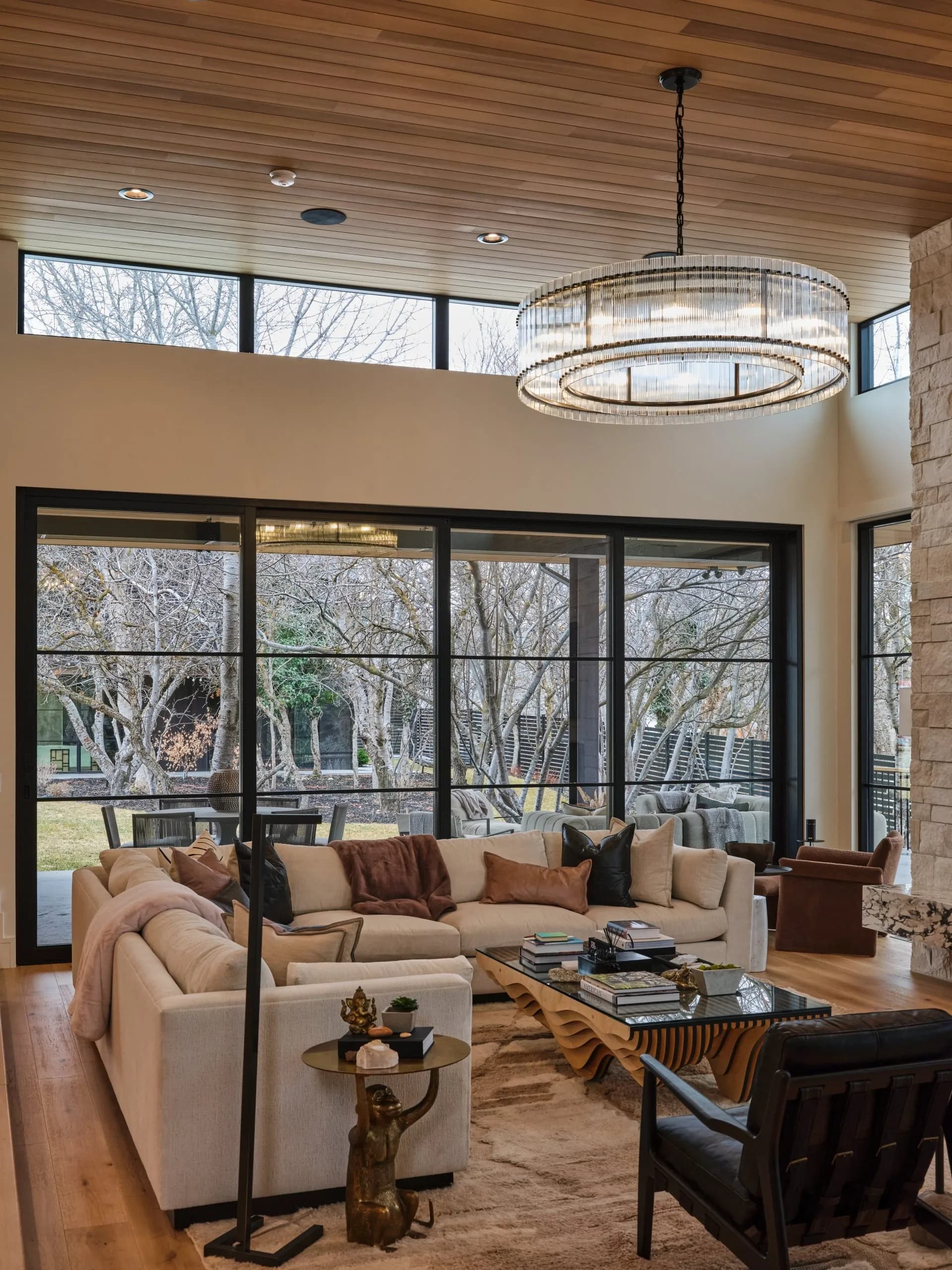
Front Window Replacement Cost: What to Expect (2026)
How much it costs to replace a front window, from standard picture windows to large bay and bow windows, plus the factors that move the price and how to save.
 Windows
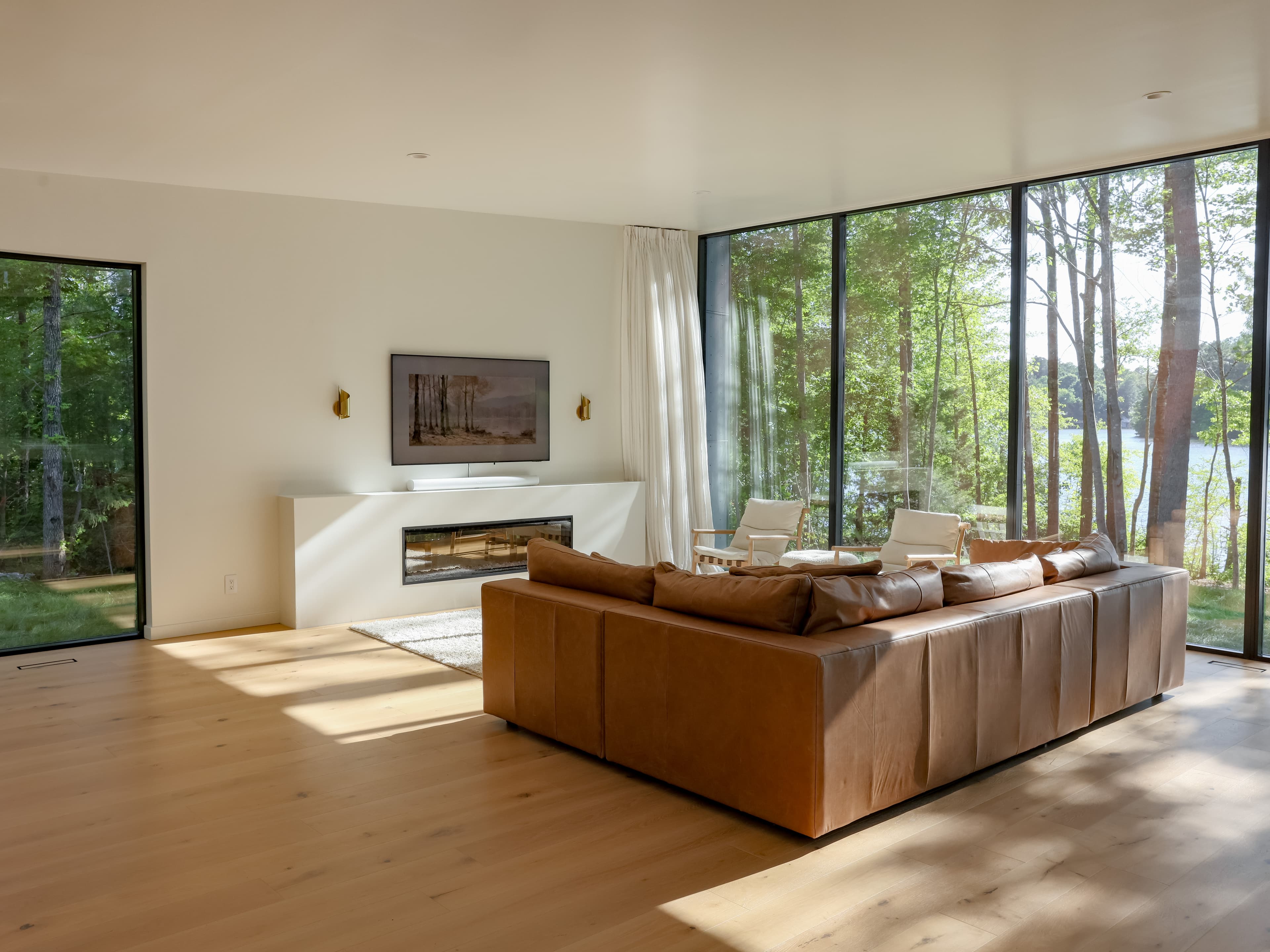
Are Triple-Pane Windows Worth It? (2026 Guide)
Triple-pane windows cost more than double-pane, but are they worth it? Here's how they compare on efficiency, comfort, noise, and payback, and when they make sense.
 Windows
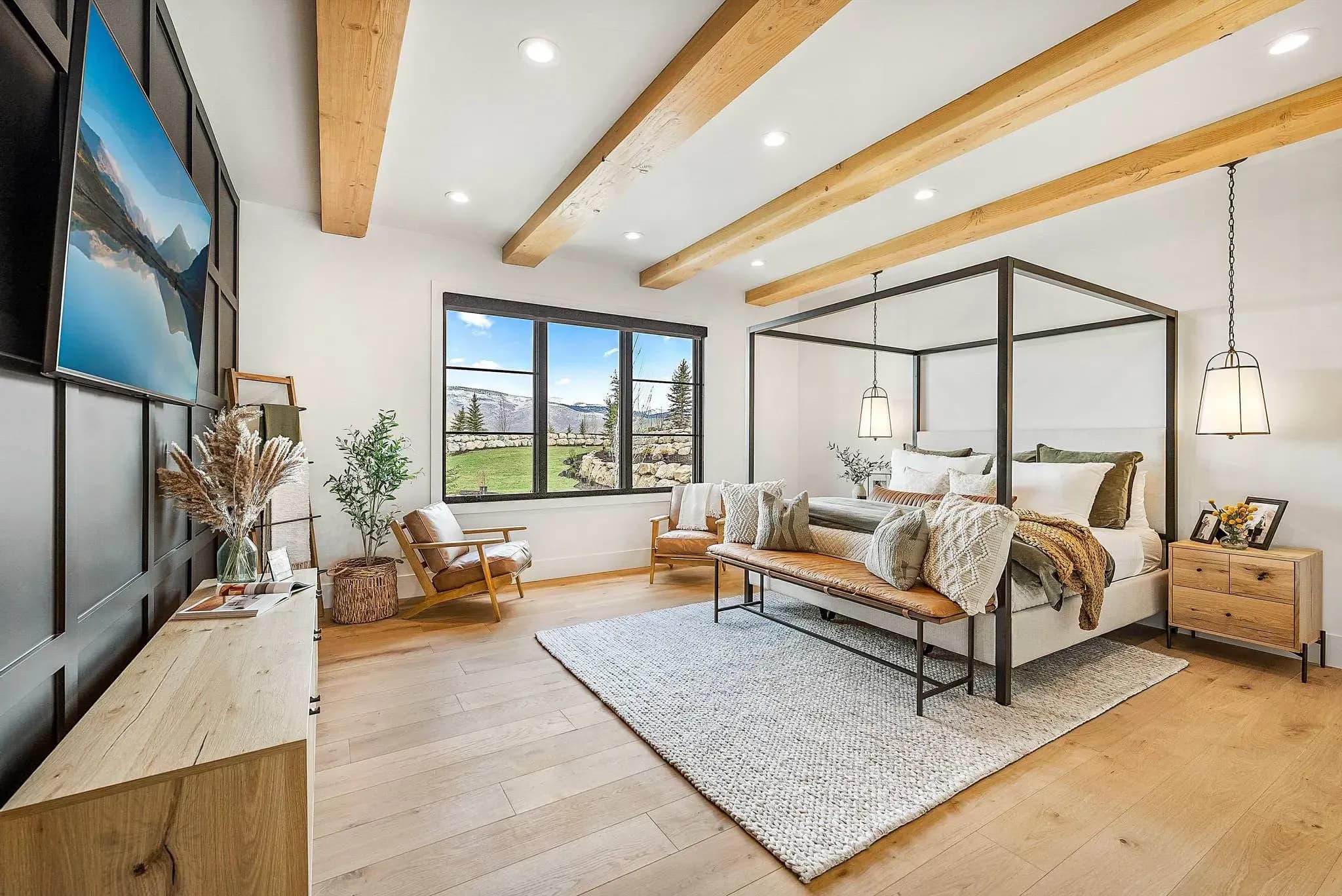
What Is Low-E Glass? A Homeowner's Guide (2026)
Low-E glass is the single most important upgrade in a modern window. Here's how the coating works, the types available, and how to choose the right one for your climate.
 Windows
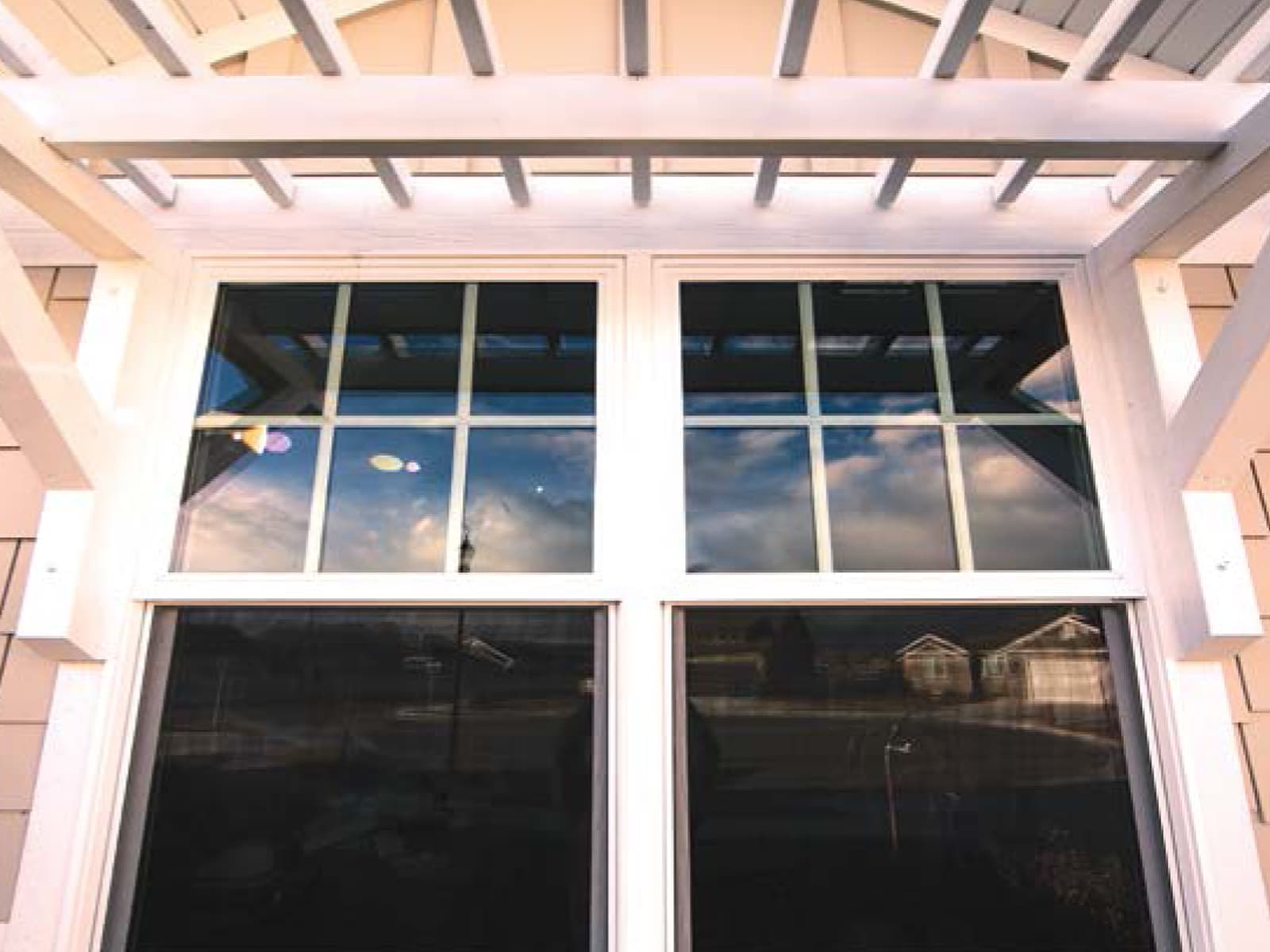
Bay vs Bow Windows: Which Is Right for Your Home?
Bay and bow windows both project outward and add space and light, but they look and cost differently. Here's how to choose between them for your home.
 Windows
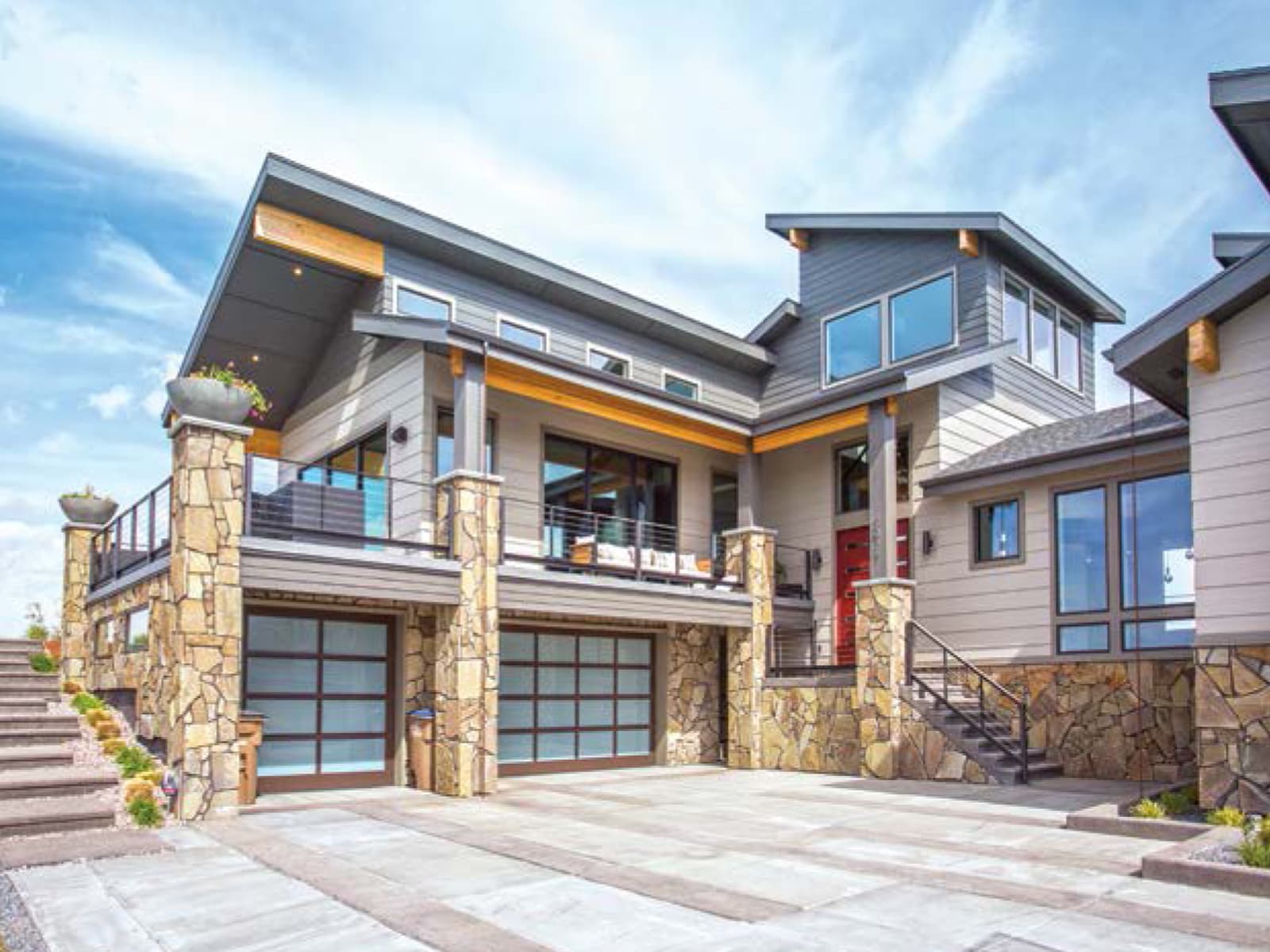
Casement vs Double-Hung Windows: Which Should You Choose?
Casement and double-hung windows are two of the most popular styles. Here's how they compare on airflow, energy efficiency, views, cleaning, and cost.
 Windows
Andersen vs Milgard Windows: Which Is Best for Your Home?
Andersen and Milgard are two of the most trusted window brands in the country. Here's how they compare on materials, energy efficiency, warranty, cost, and value.
Get Started
Your Free Quote,
No Strings Attached
Same-day response. No pressure. Just honest pricing from Utah's most trusted window & door company.